For piano, choir and orchestra
Symphony No. 4 ARCTICA
Lera Auerbach’s Symphony No. 4, ARCTICA, is a symphony for piano, choir and orchestra: a ritual journey through Arctic myth, climate memory, Indigenous imagination, and the fragile radiance of a vanishing world, with a libretto created in collaboration with a council of Arctic Indigenous language and cultural advisors.
Commission
Commissioned by the National Geographic Society / Pristine Seas, National Symphony Orchestra and Oslo Philharmonic Orchestra. 2026 revision commissioned by Konzerthaus Dortmund.
Arctic Vision
A symphonic journey to the Arctic. After a conversation with Dr. Enric Sala of National Geographic in Geneva in 2015, Lera Auerbach began an artistic exploration of the Arctic and its peoples. Working closely with elders of Arctic communities, and especially with Ole Jørgen Hammeken and Maritha Hammeken, she shaped a libretto in Indigenous Arctic languages rooted in the mythology and spiritual imagination of the Arctic.
Text
Libretto created in collaboration with a council of Arctic Indigenous language and cultural advisors. Languages: Kalaallisut, Inuktitut, Avanersuarmiutut / Inuktun, Iñupiaq, Yupik, Aleut, Alutiiq / Pacific Gulf Yupik, Nenets and related Eskaleut sub-dialects.
Movements
-
I. Solarstein — Searching for North
- Angakok’s First Flight: Beyond Dreaming
-
II. Magic Incantation: Spirits of Light
- Angakok’s Second Flight
-
III. Magic Incantation: The Spirit of the Wind
- Angakok’s Third Flight
-
IV. Dance of the Men-Bears
- Angakok’s Fourth Flight
-
V. Dance-Duel of the Women-Foxes
- Angakok’s Fifth Flight: Lament for Mistaking Wife for a Fox
-
VI. Magic Incantation: The Spirit of the Moon
- Angakok’s Sixth Flight: The World of the Dead
-
VII. Magic Incantation: The Great Sedna
- The Spirit of the Sea
-
VIII. Arctica — The Crystal Mirror
Work Information
Abbreviations PDF
Languages of the Libretto
The libretto of Lera Auerbach Symphony No. 4 incorporates a wide constellation of Indigenous Arctic languages and related sub-dialects.
- Kalaallisut / Greenlandic — Greenland.
- Inuktitut — Nunavut and Arctic Canada.
- Avanersuarmiutut / Inuktun — North Greenland / Thule region.
- Iñupiaq — Alaska.
- Yupik — Chukotka, Alaska and the Russian Far East.
- Aleut / Unangam Tunuu — Aleutian Islands, Alaska and the Commander Islands.
- Alutiiq / Pacific Gulf Yupik — Alaska.
- Nenets — Arctic Siberia.
- Eskaleut sub-dialects — including Malimiutun, Unangam Tunuu, Atkan, Sireniki and others.
Orthographic variation reflects authentic dialectal diversity and is preserved intentionally.
Text / Libretto
About the libretto of Lera Auerbach Symphony No. 4, Arctica. The full revised libretto is being prepared for the German premiere.
About the Libretto Programme and publication reference
About the Libretto
The libretto unfolds as a stream of consciousness, blending a range of Arctic languages and transcending traditional dialogues and narratives. Rooted in Arctic shamanic traditions, it draws from the practices of Irinaliurutiit — magical songs and magic formulas used by Angakkuit (shamans) to summon Tuurngait (helping spirits) for their journeys through time and space. Irinaliurutiit often consist of song fragments and nearly incomprehensible sentences, echoing a time when humans understood the language of animals.
The narrative follows the Angakok’s metaphysical journey through five states of consciousness and nine time periods, traveling from the present day to the age preceding human existence. On this quest, the Angakok encounters various spirits, such as the Moon Spirit, Sun Spirit, Wind Spirit, Light Spirit, Spirit of Boredom, ancient Giants, and spirits of animals. The Angakok’s ultimate aim is to reach the Mother of the Sea — the Spirit of the Ocean — and sing a plea for the renewal of life in a hymn to the mysterious and magical place known as Issittormiut nunaat — Arctica.
Symphonic World
Arctica is the choral-symphonic spine of a larger creative project that also extends into Arctic diaries, photography and painting. Its world joins the geological and geographical Arctic — the polar land- and seascape — with the peoples who have lived there since time immemorial.
The work’s overall structure is modeled after the spirit flights of the Angakok, the shaman. Time proceeds in reverse: from the arrival of the White Man, represented by the Viking sólarsteinn or sunstone, back toward the time before humans.
From the myth of the Angakok’s journey to Sedna, the ocean, the shaman travels to bring life back. He begs for pity, but Sedna laughs. He becomes cunning and appeals to her vanity by combing out her tangled hair, but she remains unrelenting. Finally, he steps back and, with the drum held high, sings of life. In a world where neither reason nor strength prevails, where cunning counts for little and pity least of all, art becomes the final appeal.
Auerbach’s libretto reflects her immersion in Indigenous Arctic languages and folklore. The work acknowledges that some worlds cannot be translated in any ordinary sense: the Angakok and the work of art become the means of connecting people, languages and realities that would otherwise remain irreconcilable.
Arctica is both a climate work and a ritual work: not a documentary in sound, but a ceremony of attention to a vanishing world, its cultures, its ice, its waters and its spiritual imagination.
Arctic Indigenous People Language and Cultural Advisors
The libretto of Lera Auerbach Symphony No. 4, Arctica, was shaped in dialogue with Arctic Indigenous language and cultural advisors whose knowledge, languages and lived experience inform the work’s spiritual and linguistic world.
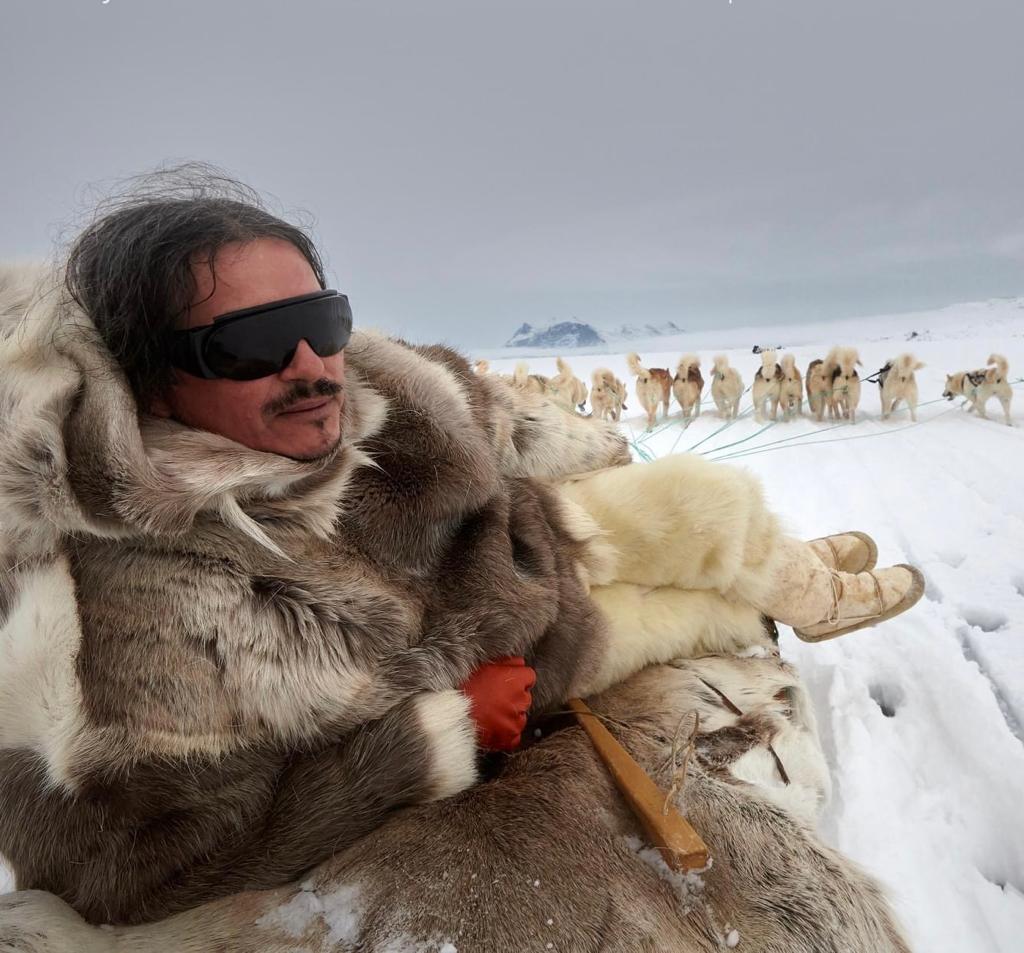
Uuli Joorut
Greenland · Kalaallisut
a.k.a. Ole Jørgen Hammeken · In Memoriam · Principal Arctic Cultural Advisor
An Inuit explorer, actor, author and educator whose cultural knowledge helped guide the work’s understanding of old Inuit shamanic tradition and Arctic worldview.
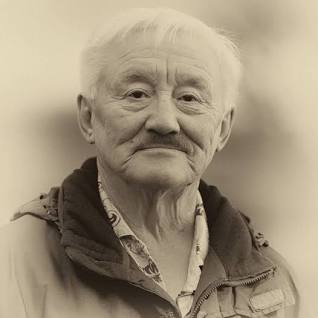
Piita Taqtu Irniq
Nunavut · Inuktitut
Language and cultural advisor
Advisor on Inuktitut and Inuit cultural context, including the practical and symbolic questions of choirs singing in Arctic Indigenous languages.

Apa Yatta
Chukotka · Yup’ik
Heritage bearer, teacher, craft maker and storyteller
A Siberian Yupik cultural figure from Chukotka whose work preserves Yupik memory, traditional knowledge and cultural practice across disrupted Arctic histories.
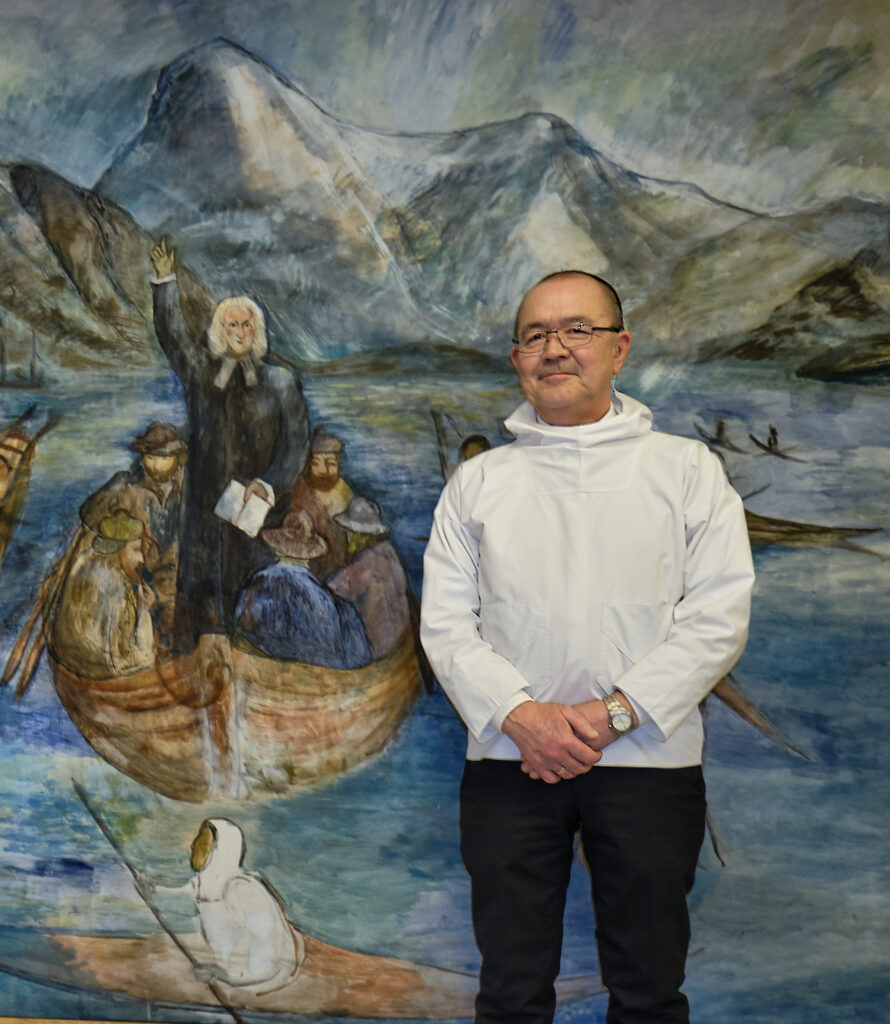
Suuluaraq
Greenland · Avanersuarmiutut / Inuktun
a.k.a. Søren Hans Lynge · Cultural teacher and political activist
A teacher of Inughuit history, culture and language, with direct knowledge of Avanersuarmiutut, the language of the Thule region of North Greenland.
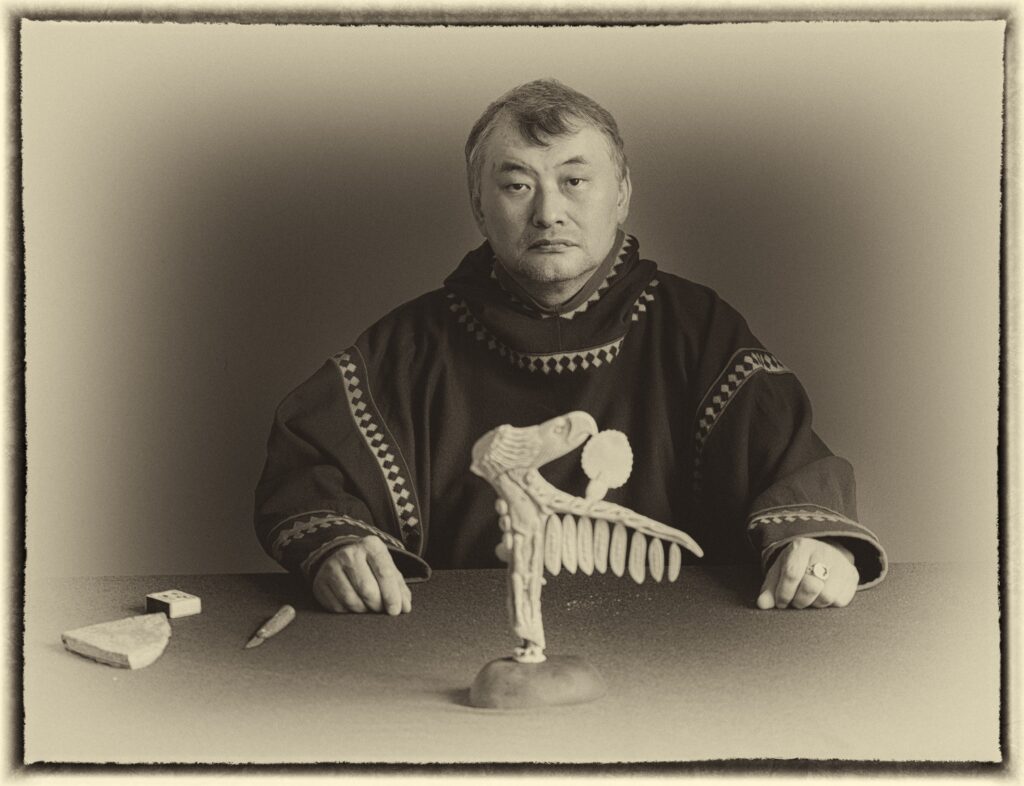
Victor Yedne
Yamal Peninsula · Nenets
Artist and cultural advisor
A Nenets mammoth-tusk carver whose work connects language, Arctic nature, memory, craft and the survival of cultural ways of seeing.
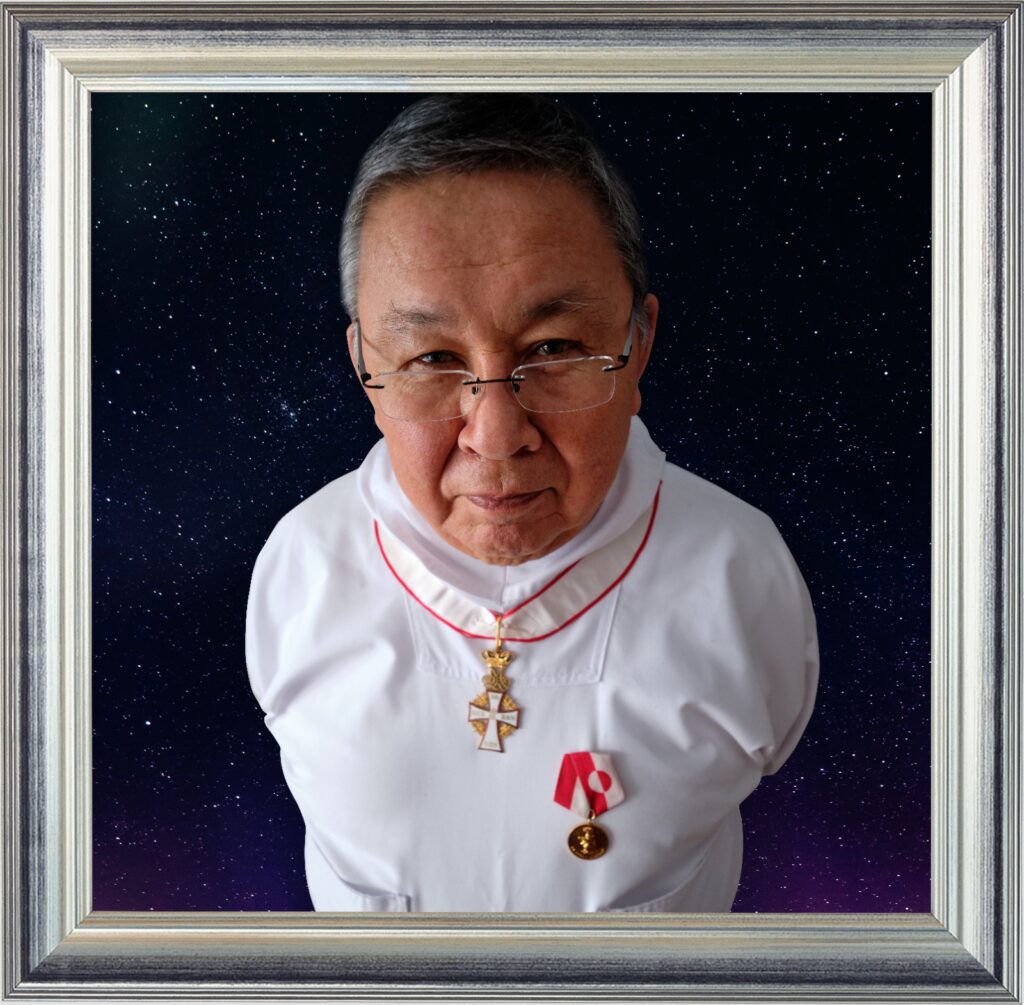
Lars-Emil Johansen
Greenland · Kalaallisut
Statesman, storyteller and cultural advisor
A central figure in modern Greenlandic history whose knowledge of language, politics, storytelling and cultural balance informs the broader world of the project.

Ymma Selyakin
Chukotka · Yupik
Elder, language teacher, performer and craft maker
A Yupik elder and linguist who preserves stories, dialects, song and dance traditions, emphasizing the role of art in language survival.
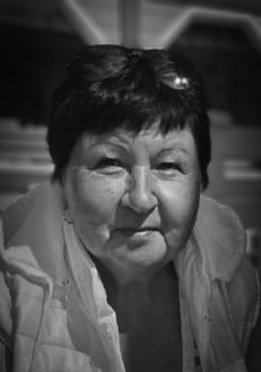
Payna Nanok
Chukotka · Yupik
Elder, cultural teacher, linguist and radio host
A Yupik cultural teacher involved in the resurgence of Yupik language and identity through education, broadcasting, dictionaries and children’s materials.

Valentina Koonooka
Alaska · St. Lawrence Island
Central Siberian Yupik · Chaplino dialect
Listed among the Arctic Indigenous language and cultural advisors connected to the Central Siberian Yupik / Chaplino dialect tradition.
Online Materials
Publisher, rental, libretto, advisor and listening references for Lera Auerbach Symphony No. 4.
-
ListeningOn-page player
-
PublisherBoosey & Hawkes / Sikorski Work Page Boosey & Hawkes / Sikorski
-
RentalZinfonia Rental Material Zinfonia
-
LibrettoAbout the Libretto On-page reference
-
AdvisorsArctic Indigenous People Language and Cultural Advisors Arctica project site
-
CatalogueFull Catalogue leraauerbach.com
-
ReferenceStandard Abbreviations PDF Boosey & Hawkes
Publisher and Materials
Lera Auerbach Symphony No. 4 is published by Boosey & Hawkes / Sikorski. Score and rental materials are available through Zinfonia.